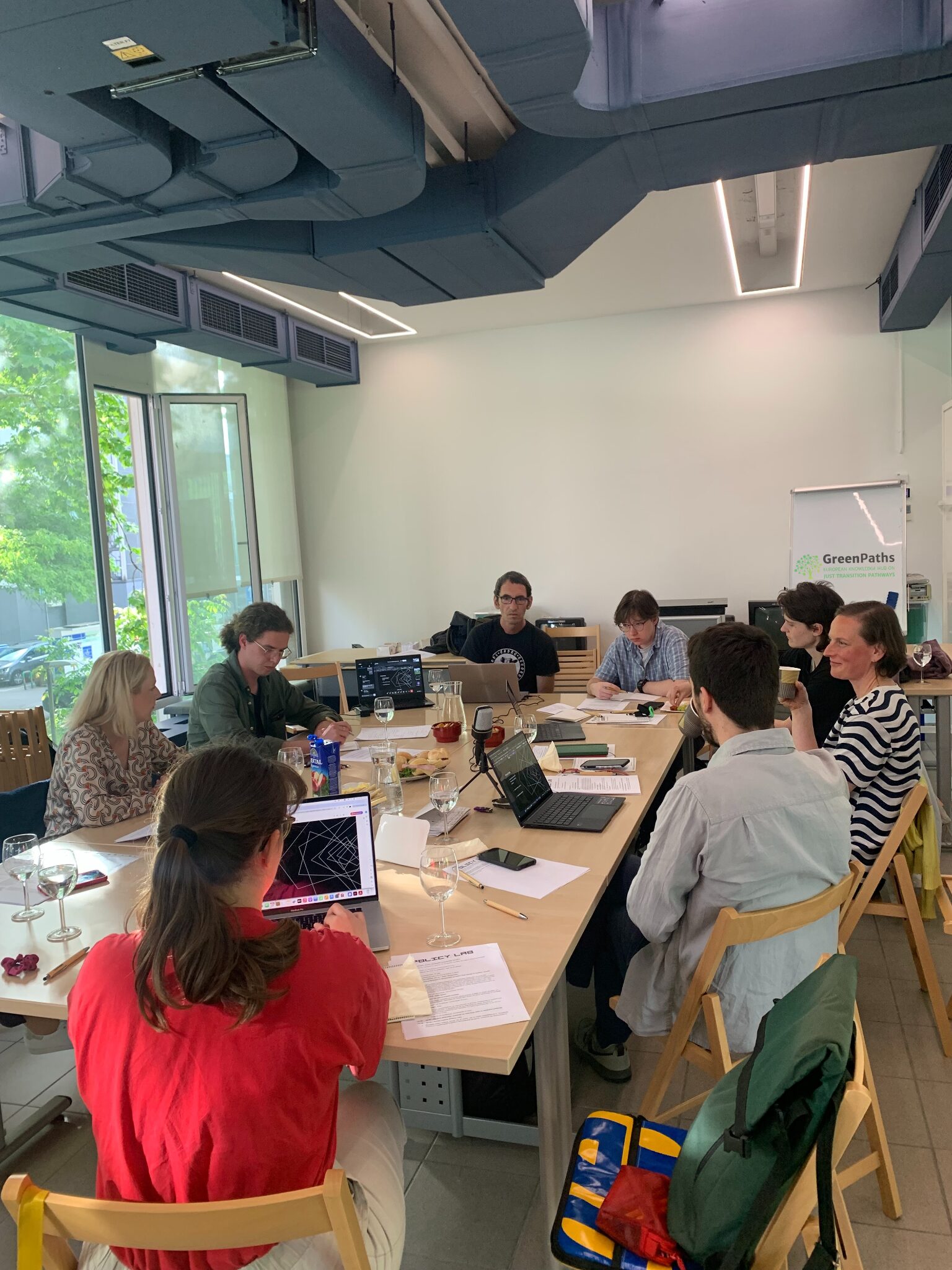
This spring, GreenPaths partners in seven countries – Croatia, Cyprus, Ireland, Italy, Hungary, Portugal and Slovenia – set out on a mission to discuss the just transition with real people on the ground. They wanted to step out of their silos and explore how people are feeling the progress on selected environmental and social laws and initiatives – and what they need their countries to do in the near future.
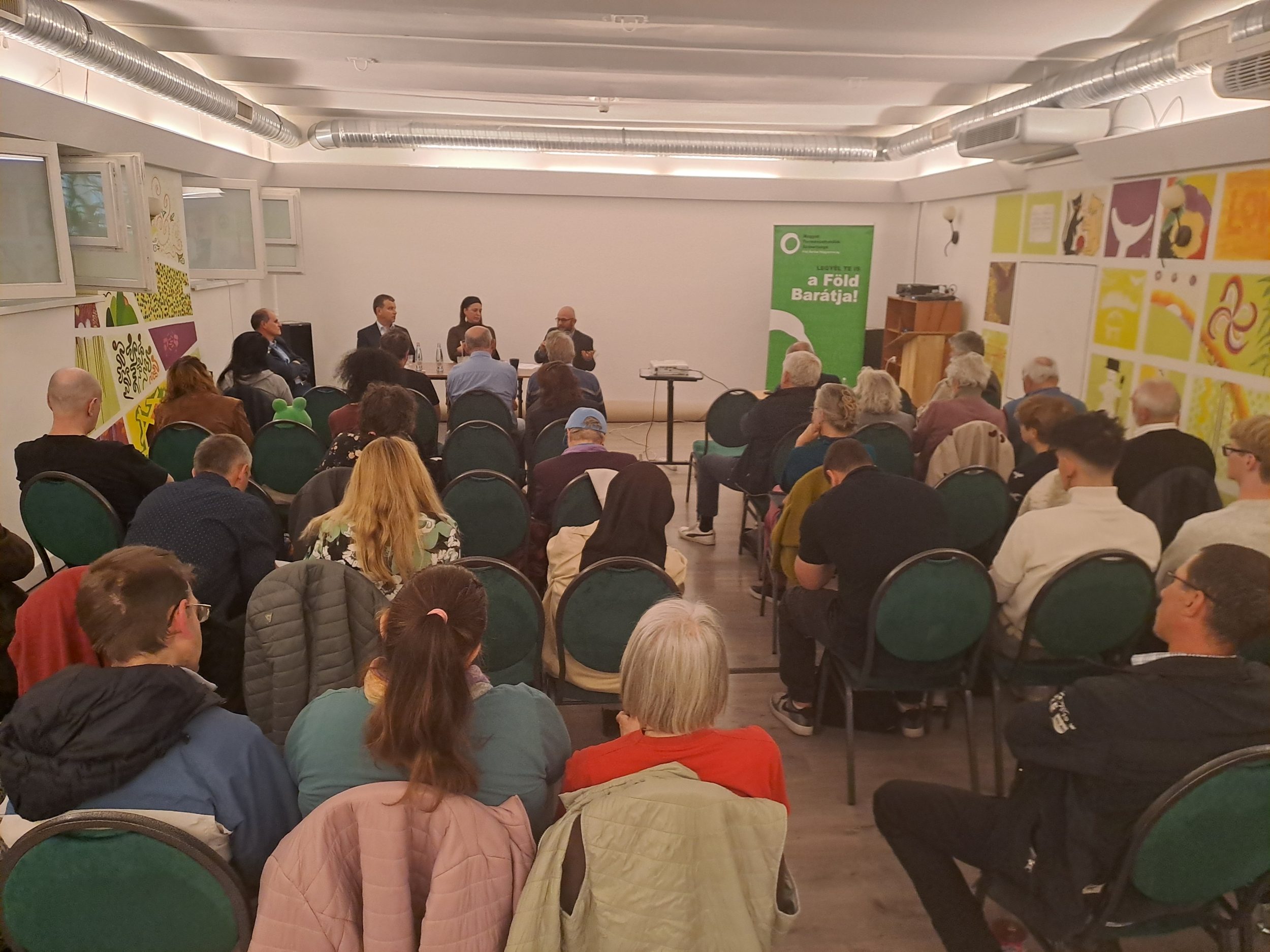
Eleven events that ranged from classical conferences over film screenings to energy cafés and gathered 132 participants in total showed that the just transition is experienced and tackled in very different ways across Europe.
What we heard
- Local realities matter: Whether it is data centres on former peatlands in Ireland, lithium mining in Portugal, or land speculation in Slovenia, communities face very specific challenges that show how abstract transition goals play out unevenly on the ground. EU policies can come across as tone-deaf if they fail to adapt to national and local contexts.
- Justice and equity are key issues: Discussions on energy poverty in Croatia, food justice in Italy, and energy democracy in Cyprus all stressed that the transition must prioritise the most vulnerable groups and avoid deepening inequality. A compassionate dialogue with these groups must be a priority in the development of any policy.
- Democracy and participation need strengthening: From energy cafés in Cyprus to bottom-up urban initiatives in Slovenia, engaged participants from different walks of life showed that lasting solutions require civic participation, not top-down imposition. Many people noted how exclusion from (national and EU) decision-making fuels mistrust and resistance.
- Corporate capture is a real threat: Participants in Ireland and Portugal, in particular, pointed to how powerful corporations can monopolise public resources and green subsidies. If this – often covert – form of greenwashing happens, the transition is neither just nor sustainable.
- Civil society bridges gaps: The events showed the unique role civil society plays in linking local communities, researchers, activists, elders, and local and national policymakers, and in keeping broader democratic, labour, and social justice issues connected to climate action.
What this inspires us to do
- Strengthen cross-sector collaboration: Many participants called for stronger ties between climate activists, labour, social justice, and democracy defenders, both nationally and across borders.
- Develop people-centred narratives: People expressed a strong need to articulate positive visions of the transition that resonate beyond “green” policy spaces, emphasising dignity, fairness, and community empowerment.
- Counterbalance corporate lobbying: Civil society must continue to expose and resist the corporate capture of transition policies, and promote alternatives that put communities first.
- Find creative ways of engagement: Energy cafés in Cyprus, a book exhibition in Portugal and localised debates in Ireland and Portugal showed the value of creative, inclusive methods.
Thanks to the GreenPaths partners who organised the events:
Centro de Estudos Sociais (CES, Portugal)
Friends of the Earth Cyprus
Friends of the Earth Hungary
Friends of the Earth Ireland
IPE (Institut za političku ekologiju, Croatia)
Policy Lab (Slovenia)
Pravo na grad (PNG, Croatia)
Risteco (France)
Laura Hieber, Friends of the Earth Europe